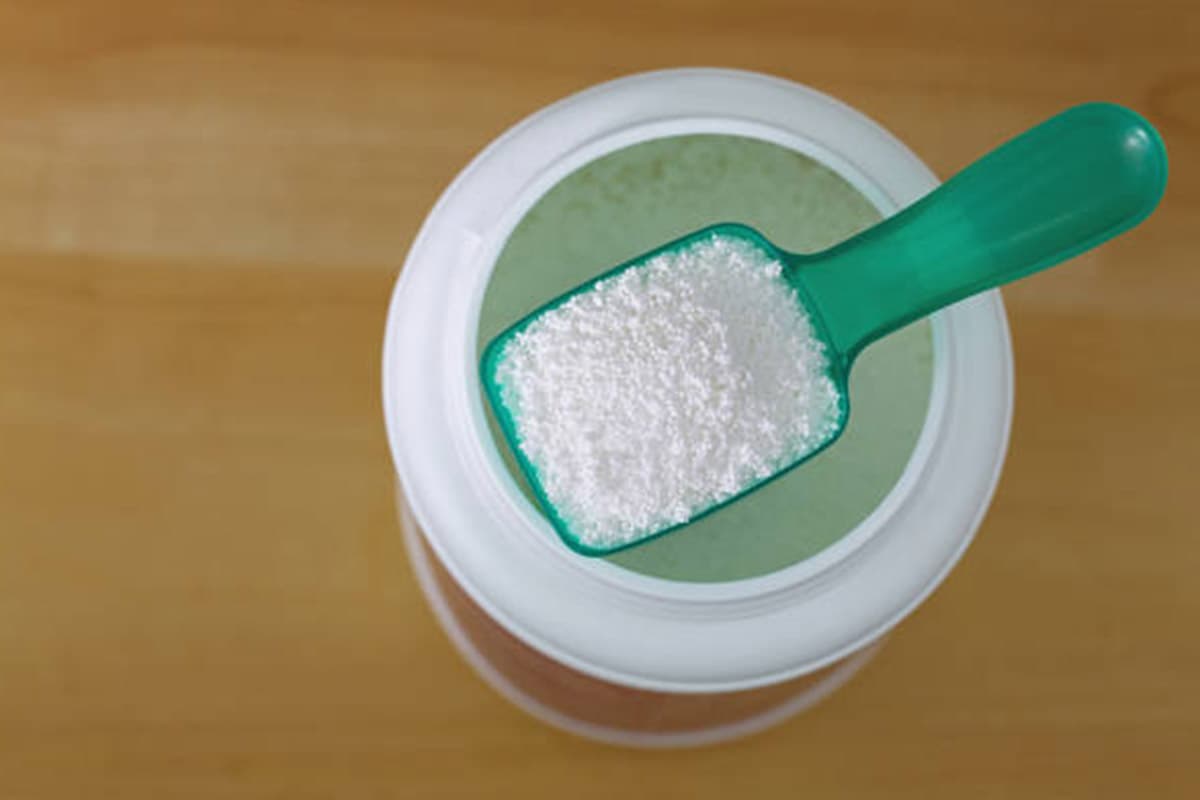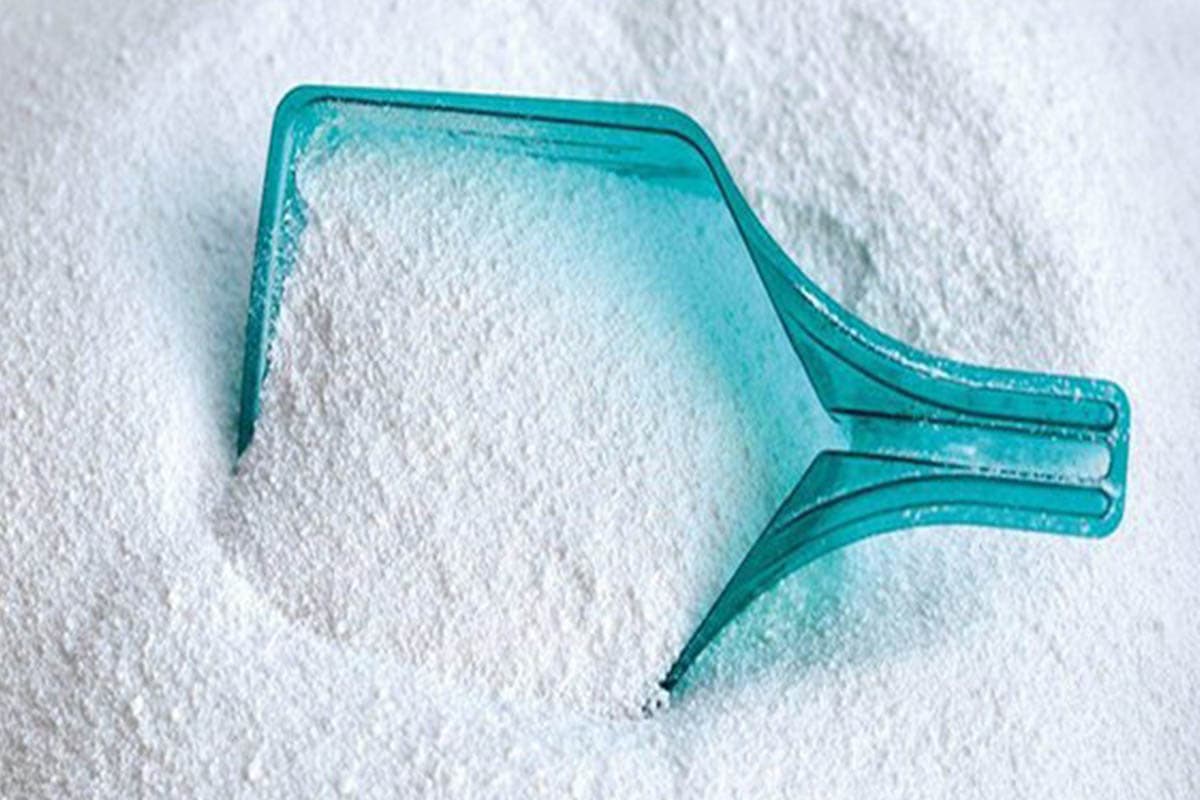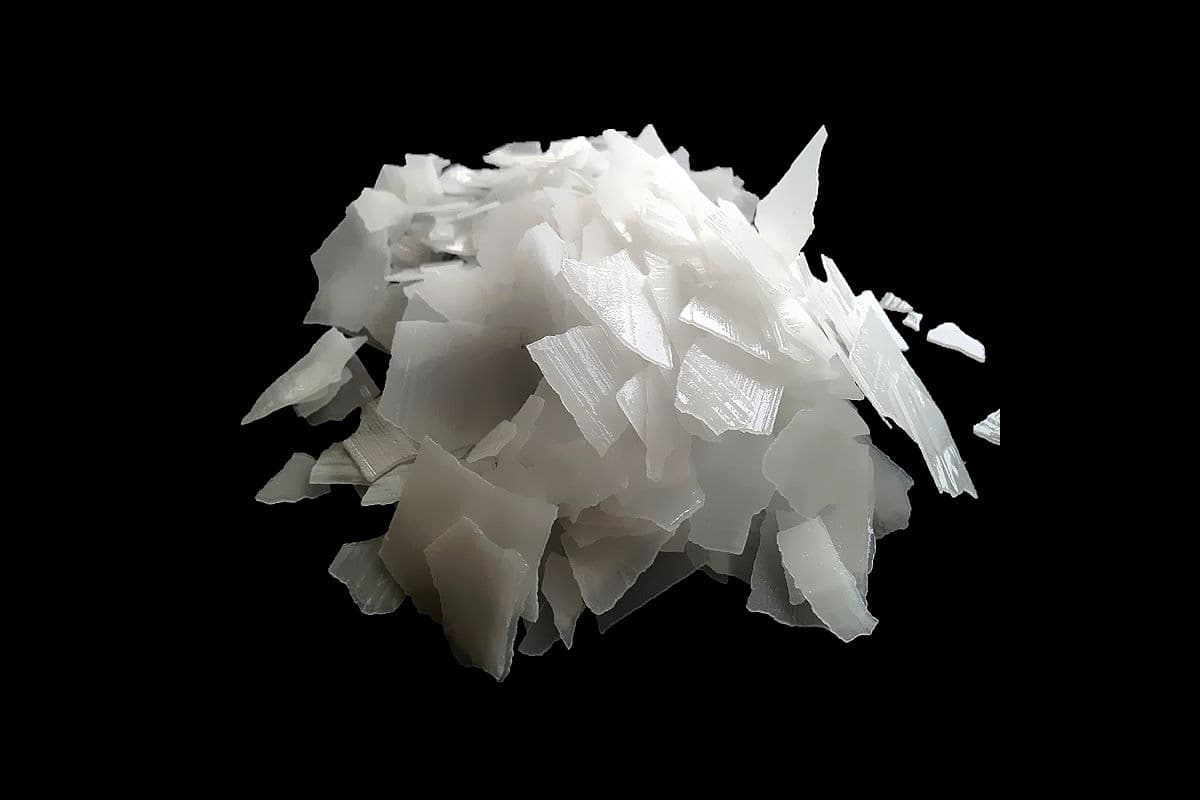
Dense and light soda ash are the same compound — sodium carbonate (Na₂CO₃) — at the same chemical purity. The difference is purely physical: particle size and bulk density. That distinction matters because it drives how the material flows, dusts, dissolves, and packs into a container, which in turn decides which grade an industry prefers.
The physical difference
| Property | Dense | Light |
|---|---|---|
| Bulk density | ~0.9–1.1 g/cm³ | ~0.5–0.6 g/cm³ |
| Particle size | Larger, granular | Finer |
| Dusting | Low | Higher |
| Flow / handling | Free-flowing, less caking | More prone to dusting and caking |
| Mass per container | More MT per 20ft | Less MT per 20ft |
Where dense soda ash is preferred
- Glass manufacturing — the largest consumer, where free-flowing, low-dust handling and consistent batching matter.
- Bulk operations where higher mass per container improves freight economics.
- Automated dosing systems that benefit from a granular, non-caking feed.
Where light soda ash is preferred
- Detergents and soaps, where the finer grade blends and reacts readily.
- Chemical manufacturing of sodium-based compounds (silicates, bicarbonate).
- Applications needing fast dissolution where dust can be managed.
What to confirm when buying
Specify the grade (dense or light), the Na₂CO₃ assay, bulk density range, and packaging. For export, dense soda ash usually loads more mass into a 20ft container, which can lower your per-tonne freight — worth modelling into landed cost alongside the product price.
Ananta Industries supplies both dense and light soda ash with a Certificate of Analysis against each batch. Tell us your application and destination port for a priced offer.